Most of us toss a kitchen sponge into the trash as soon as it starts looking worn out. But before you do, you might want to think twice.
While old or moldy sponges should never be reused for washing dishes or food-contact surfaces, there are several safe ways to repurpose clean, worn sponges around the house.
Why You Shouldn’t Keep Using an Old Sponge in the Kitchen
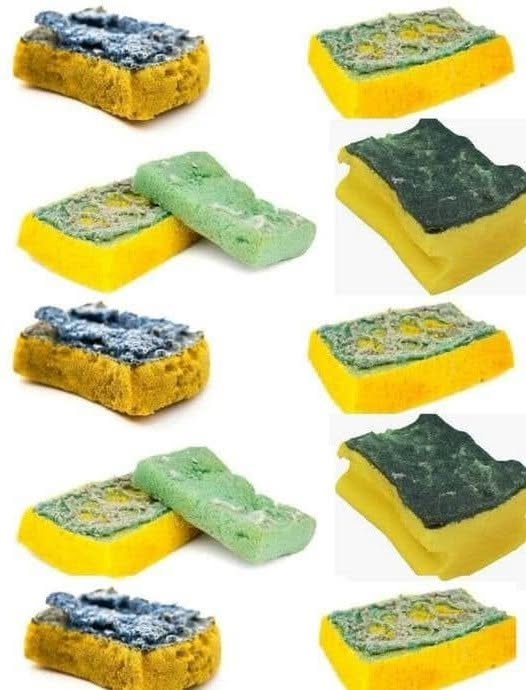
Kitchen sponges can quickly become breeding grounds for bacteria because they stay warm and moist.
If your sponge:
- Smells bad,
- Has visible mold,
- Is falling apart,
- Or has been used for several weeks,
it’s time to retire it from kitchen duty.
Smart Ways to Reuse an Old Sponge
Before throwing it away, wash and disinfect it if it’s still in reasonable condition, then use it for non-food tasks such as:
1. Cleaning Outdoor Furniture
Old sponges are perfect for scrubbing patio tables, flower pots, and garden tools.
2. Washing Your Car
Use them for cleaning wheels, tires, or other dirty areas where you wouldn’t use a new sponge.
3. Cleaning Shoes
They’re great for removing dirt from sneakers, boots, and sandals.
4. Protecting Fragile Items
Cut a sponge into pieces and place them between dishes, glassware, or decorations when storing or moving.
5. Watering Plants
Place sponge pieces at the bottom of flower pots to help retain moisture while still allowing drainage.
6. Household Cleaning
Use old sponges for baseboards, garbage cans, outdoor bins, grills, or other grimy jobs.
When Should You Throw It Away?
Dispose of the sponge immediately if it:
- Has mold growing on it.
- Has a persistent unpleasant odor.
- Is breaking apart.
- Cannot be cleaned properly.
Never continue using a moldy sponge on kitchen counters, dishes, or utensils.
How to Make Sponges Last Longer
- Rinse thoroughly after each use.
- Squeeze out excess water.
- Let it dry completely between uses.
- Replace kitchen sponges regularly.
The Bottom Line
Old kitchen sponges may no longer be suitable for food preparation areas, but they can still be useful for many household cleaning tasks. Reusing them wisely helps reduce waste while keeping your kitchen hygienic.