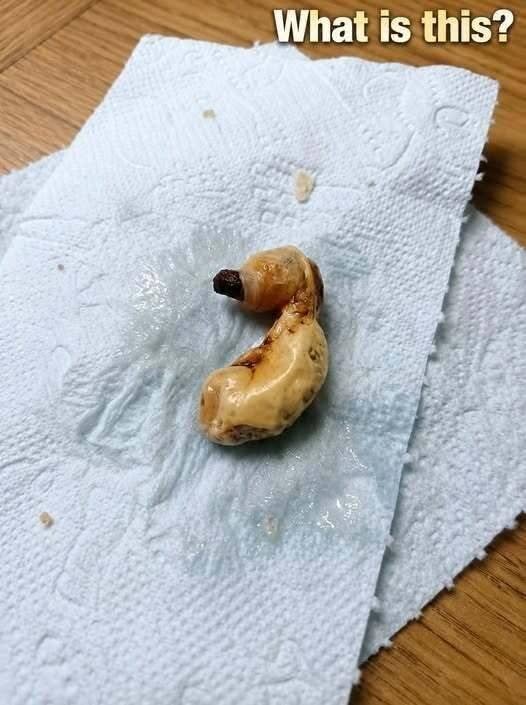
Finding a tick crawling on you—or attached to your skin—can be alarming. But one thing you should never do is crush a tick with your bare fingers.
Ticks can carry bacteria and other pathogens that may cause illnesses such as Lyme disease, Rocky Mountain spotted fever, and other tick-borne infections.

🚨 What Should You Do If You Find a Tick?
If a tick is attached to your skin, don’t panic.
Use fine-tipped tweezers to grasp the tick as close to the skin as possible. Pull upward slowly and steadily without twisting or squeezing the tick’s body.
After removing it:
- 🧴 Clean the bite area and your hands with soap and water.
- 🗑️ Dispose of the tick safely in a sealed container, wrapped tightly in tape, or according to local health guidance.
- ❌ Don’t crush it with your bare hands.
- 📸 Consider taking a clear photo of the tick in case identification is needed.
- 👀 Monitor the bite area and your health for symptoms.
⚠️ Why Crushing a Tick Is a Bad Idea
The biggest concern isn’t that a tick will somehow become more dangerous after being crushed. The problem is direct contact with the tick’s body fluids and the possibility of accidentally spreading contaminated material to broken skin, your eyes, mouth, or another vulnerable area.
And if the tick is still attached, squeezing or crushing its body is not the recommended way to remove it.
The safest approach is simple: remove it properly with tweezers and avoid touching it with your bare hands.
🩺 When Should You Seek Medical Advice?
If you develop symptoms after a tick bite—such as fever, headache, unusual fatigue, muscle or joint aches, or a spreading rash—contact a healthcare professional and mention the tick bite.
Some tick-borne diseases can become serious if they aren’t treated appropriately.
A tiny tick can create a big problem, so handle it carefully.
Important: This information is for general education and does not replace professional medical advice.